Fire Safety Plans That Work in Every Language
- March 15, 2026· Article by Beth Smith
- security , Polish translation services
When a fire alarm sounds, people do not read long paragraphs. They look for a sign, follow a colour or listen for an instruction. If that instruction is in a language they do not understand, seconds are lost. Fire prevention research keeps returning to the same finding. Plans fail less often when the people who must follow them can actually understand them.
Modern workplaces, schools and residential buildings are multilingual. Safety planning needs to reflect that.
Start With a Risk Assessment
Every plan begins with understanding the building. Identify ignition sources, flammable materials, escape routes, alarm systems and the number of people who use each area. Include temporary workers, contractors and visitors, who often know the least about a site.
The National Fire Protection Association publishes codes, research and public education material that planners use worldwide as a reference for fire safety standards.
Know Which Languages Your Building Uses
Survey staff, tenants and regular visitors. Ask which languages people read comfortably, not only which they speak. In many workplaces, a handful of languages cover almost everyone. Warehouses, hospitals, hotels and factories often depend on staff from several countries, and cleaners or night shift workers may be overlooked in communication plans.
Use Pictograms and Plain Words
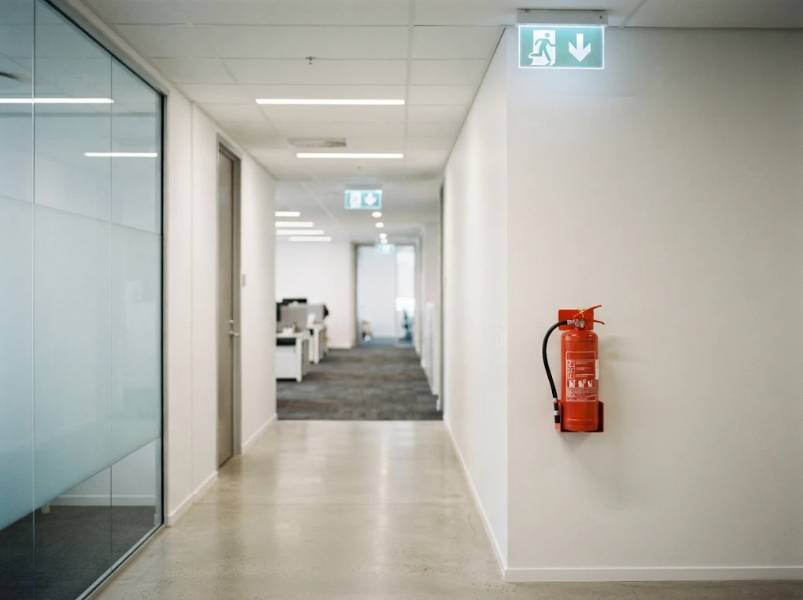
Symbols cross language barriers. Standard exit signs, assembly point markers and extinguisher icons help everyone, but text is still needed for context. Keep sentences short and use direct verbs. Say leave by the nearest exit instead of using a long sentence with conditions. The clearest fire instruction can be read in two seconds.
Translate the Documents That Matter
Prioritise emergency procedures, evacuation maps, alarm instructions, training materials and notices for contractors. Hire professional translators who understand safety vocabulary, since a wrong word can change the meaning of an instruction. Facilities with many Polish speaking workers, for example, can use Polish translation services to prepare accurate evacuation instructions and training handouts.
Signage That Works at a Glance
Place signs at eye level, light them for visibility and keep them consistent across floors. Evacuation plans on each level should show your current location, the nearest exits and the assembly point. Use colour codes and arrows rather than long descriptions. Check that signs remain visible when furniture or stock is rearranged.
Drills in More Than One Language
Practise regularly, at least twice a year for most buildings. During drills, give instructions in the main languages used on site and ask floor wardens to help colleagues who need support. Afterwards, ask participants what they understood and what confused them. Fix gaps before the next drill.
Products and Equipment Labels
Extinguishers, alarms and fire blankets carry instructions that must be understood quickly. Manufacturers selling in Europe need to follow product safety rules, including language requirements for warnings and instructions. If you supply equipment across borders, this overview of GPSR translation requirements explains what information should accompany a product.
Training New Staff and Visitors
Induction is the best moment to teach safety. Give every new employee a short briefing on alarm sounds, exits and assembly points, and provide a one page summary in their language. Visitors and contractors should sign in, receive a simple instruction card and be told who is responsible for them during an evacuation. A QR code on the card can link to a short video in several languages.
Role of Fire Wardens
Fire wardens are volunteers who check areas, guide people to exits and report to the incident lead. Choose wardens who reflect the language mix of each floor, so that colleagues hear instructions from someone they trust. Give them high visibility vests, a checklist and regular refresher training. After every drill, hold a brief debrief to share what worked and what needs to change.
Accessibility Considerations
People with hearing, sight or mobility impairments need tailored plans. Use flashing alarms, tactile signs, evacuation chairs and buddy systems. Combine these with multilingual instructions so that nobody is left behind because of language or ability. Appoint and train staff who know exactly who needs help and how to provide it.
Prevention Is Still the Best Plan
Most fires start from preventable causes, such as faulty electrical equipment, cooking, heating and smoking materials. Run regular inspections, keep exits clear, store flammable items safely and train staff to report hazards. Short posters in the main languages remind people of simple habits, such as unplugging equipment and closing doors.
Insurance and Legal Duties
Insurers and regulators expect documented plans, regular testing and proof of training. Employers in many countries have a legal duty to provide safety information in a form workers can understand. Keeping translated records, signed training logs and inspection certificates protects the organisation and shows that language was treated as a safety issue.
Keeping Plans Up to Date
Plans age quickly. Update them after renovations, changes in occupancy or new equipment. Review translations whenever the source text changes, and record the date on every document. Keep a log of drills, inspections and training sessions for auditors and insurers.
Building a Culture of Safety
Technology and paperwork matter, but behaviour decides outcomes. Encourage employees to ask questions, report near misses and suggest improvements without fear. When every person on site understands what to do, in a language they trust, the plan turns from a document into a habit that saves lives.